







Search Results for: coffee shop density
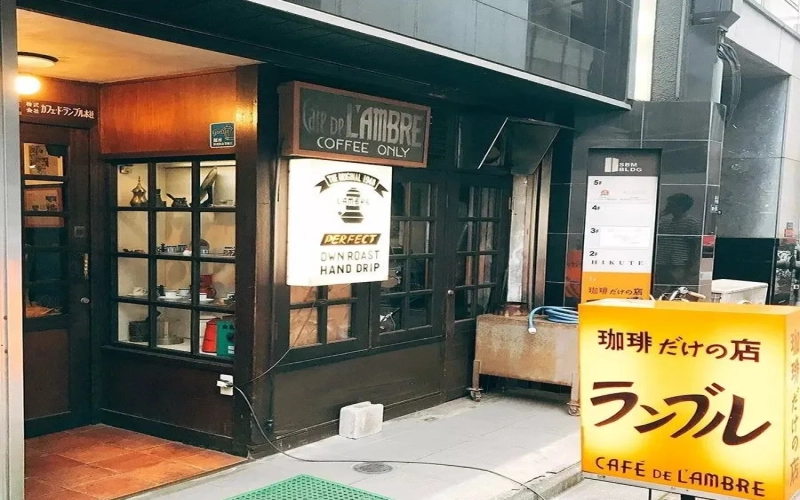
Amber Queen Coffee Recipe Tutorial: How to Recreate the Classic Layered Drink from Amber Café in Ginza, Tokyo
In Ginza, Tokyo, there is a long-established high-end coffee shop founded in 1948—Café de L'Ambre, famous for its founder Ichiro Sekiguchi's ultimate pursuit of coffee quality. But compared to the shop itself, its original drink "Amber Queen" actually enjoys greater fame. This coffee has sweetened cooled black coffee on the bottom layer, with unsweetened condensed milk floating on top; one sip lets you experience the dual flavor of coffee and milky aroma at the same time, and the visual effect is also extremely soothing. Many enthusiasts try to recreate it at home, but often encounter the problem of the condensed milk sinking and being unable to form layers. This article will share the complete method for making Amber Queen, from explaining the principles to the brewing steps, to help everyone make a cup of this classic Japanese-style coffee drink with distinct layers. [more…]
Espresso Blend Coffee Roasting in Practice: Analysis of Raw Blend Strategies, Density Difference Handling, and Development Rate Control Points
The roasting of espresso blends centers on balancing the density, size, and flavor direction of different bean varieties. Starting from the choice between pre-blend and post-blend, this article combines the blending case of Front Street Colombia Medellin and Front Street Ethiopia Yirgacheffe to break down in detail the logic of adjusting heat, airflow, and moisture during roasting, as well as how to handle combinations of green beans with large density differences through stages such as steaming, heat pushing, and gliding. The article also presents an espresso blend roasting approach with a development ratio controlled at around 25%, and includes measured espresso extraction parameters and flavor descriptions, making it suitable for enthusiasts who wish to gain a deeper understanding of espresso blend roasting. [more…]
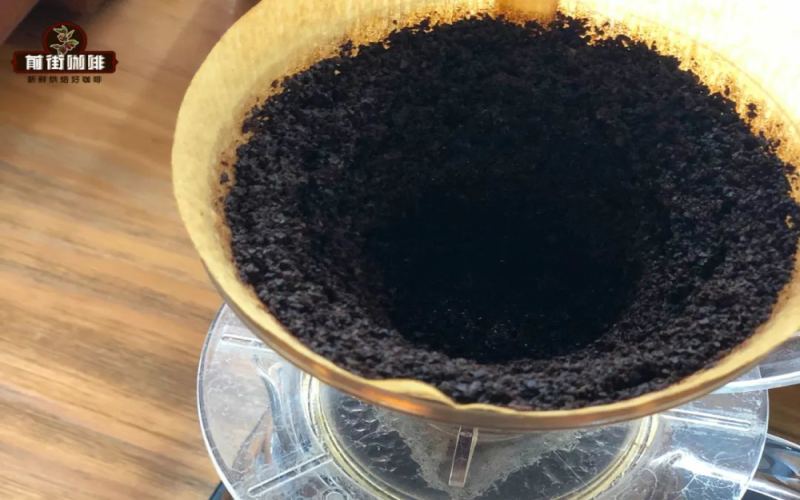
Analyzing the Coffee Bed Shape in Pour-Over Brewing: A Deep Bed Is Not a Sign of Good Taste—Pouring Technique Is the Key
Many friends who are just getting into pour-over coffee often hold an almost worshipful attitude toward the expansion of the coffee bed and the deep pit, believing that producing a deep pit signifies superior skill. Front Street found this phenomenon to be quite common when talking with customers in the shop, so we decided to analyze the conditions for the formation of the deep pit from a fundamental perspective. In fact, the deep pit is mainly related to three factors: the roast level of the coffee beans, the circular pouring pattern, and the dose of grounds, with roast level having the most significant influence. Dark-roasted beans have low density and expand noticeably, making it easy to form a thick wall of grounds and a deep pit, while light-roasted beans are the opposite. In addition, pouring in small circles preserves the wall of grounds around the edge, and a large dose of grounds also provides enough support for the deep pit. But an attractive coffee bed does not equal good-tasting coffee; the real point of observing the coffee bed is to check whether the pouring was even and whether the wall of grounds was damaged. This article will systematically sort out the brewing logic behind the coffee bed for coffee lovers, helping everyone return to the brewing parameters themselves. [more…]
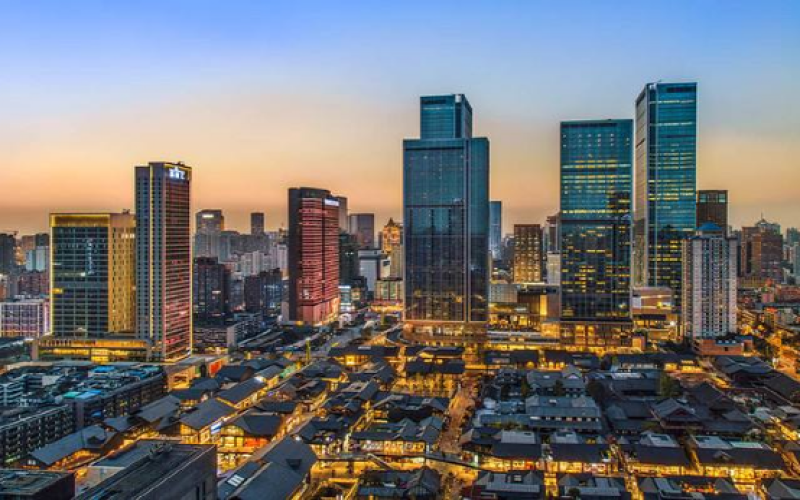
China's Coffee Market Landscape Shifts: Shanghai Loses Momentum Under Pandemic Impact, Chengdu Accelerates Its Rise
For a long time in the past, Shanghai was regarded as the city with the highest coffee density in China. However, the nearly three-month suspension of dine-in services dealt a heavy blow to Shanghai's catering industry, and coffee brands began to turn their attention to Chengdu. Data shows that Chengdu now has more than 7,000 coffee shops, ranking second nationwide, with independent coffee shops accounting for as much as 81.07%, far exceeding Shanghai's 57.01%. Luxury brands have also chosen to open coffee shops in Chengdu one after another, including LV, Cartier, Ralph's Bar, and Maison Margiela Café. Wangping Street, Mengzhuiwan, and Tangpa Street in Chengdu have become popular coffee districts, where teahouse culture and coffee consumption blend together. This article will analyze the data and trends behind this round of changes in the coffee city landscape. [more…]
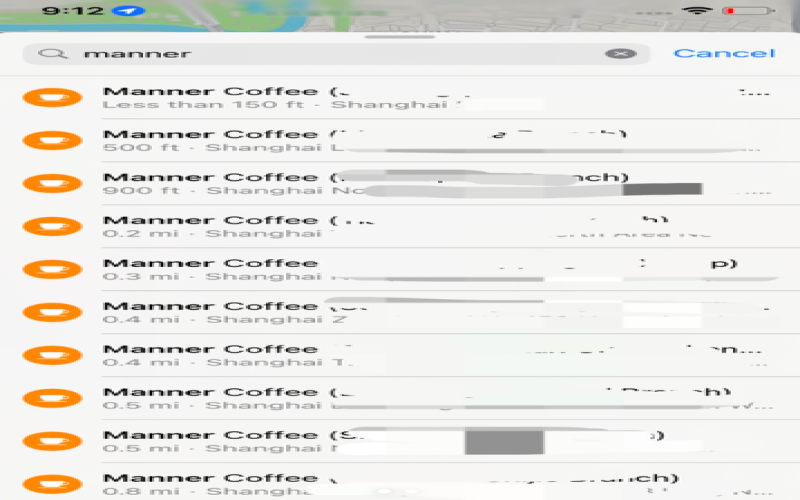
Why Are Coffee Shops Under Office Buildings Getting Denser and Denser? Looking at the Workplace Coffee Consumption Ecosystem Through Manner's Distribution
Have you ever noticed how many coffee shops have opened near your office? One netizen shared a map showing that within a one-kilometer radius of their office building, there were as many as ten Manner locations, striking a chord with a large number of office workers. In the comments, some said there were twelve Manner shops nearby and thirty-three Starbucks, while others carefully counted the clusters of Luckin, Nowwa, and major tea beverage brands downstairs. Why do coffee and milk tea brands favor office buildings? Behind this are multiple considerations, including white-collar workers' high-frequency demand for caffeine, brands' pursuit of revenue stability, and the leasing needs of office buildings. What's more interesting is that the number of coffee shops has been regarded by netizens as an alternative indicator of the concentration of "workplace vibes." This article uses this phenomenon as a starting point to break down the underlying logic of workplace coffee consumption, with relevant observations from Front Street Coffee attached. [more…]
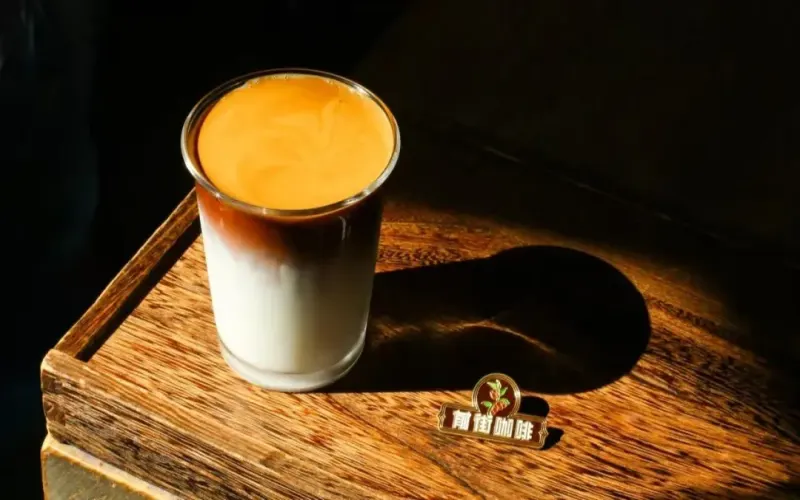
Creating a Layered Dirty Coffee: A Full Breakdown of Key Techniques from Pour Height to Milk Density
Want to make a Dirty with distinct layers, but always run into the problem of the coffee and milk blending too early, leaving the layers unclear? The key actually lies in two details: the distance the espresso falls from, and the viscosity and density of the milk itself. This article takes a practical approach and shares how to adjust the receiving height, use purified milk, chill your cups, and more, so that both the visual effect and the mouthfeel of your Dirty come closer to the ideal. It will also answer the question of whether the roast level of the coffee beans affects layering, and share Front Street Coffee's actual test conclusions to help you easily make a cup of "dirty" with true pedigree. [more…]
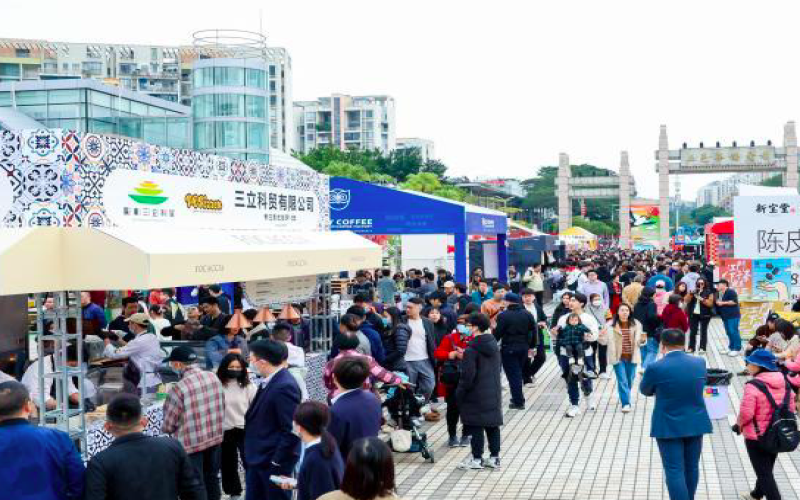
Jiangmen's coffee shops surpass 1,500, with 3.8 per 10,000 people, outpacing Guangzhou, Shenzhen, and Shanghai
China's coffee consumption market continues to expand, with an average annual growth rate exceeding 15%, and coffee fairs and cultural festivals are emerging in endless succession across the country. Jiangmen, Guangdong recently held a Coffee Culture Week, attracting more than 150 coffee brands to exhibit, but what is even more noteworthy is the astonishing growth of coffee shops in this city—by the end of last year, the number had surpassed 1,500, with more than 400 new ones added during the year, an increase of over 35%. In the "2022 Top 100 Ranking of Chinese Cities by Number of Coffee Shops," Jiangmen ranked 21st nationwide, with 3.8 cafes per 10,000 people, a density that has already surpassed first-tier cities such as Shanghai, Shenzhen, and Guangzhou. Behind this phenomenon lies not only the profound accumulation of coffee culture in this century-old hometown of overseas Chinese, but also the combined impetus of returning young entrepreneurs starting businesses and chain brands pursuing a downward-market expansion strategy. This article will analyze the multiple factors behind the rapid rise of Jiangmen's coffee market and explore the future trajectory of involution in the industry. [more…]
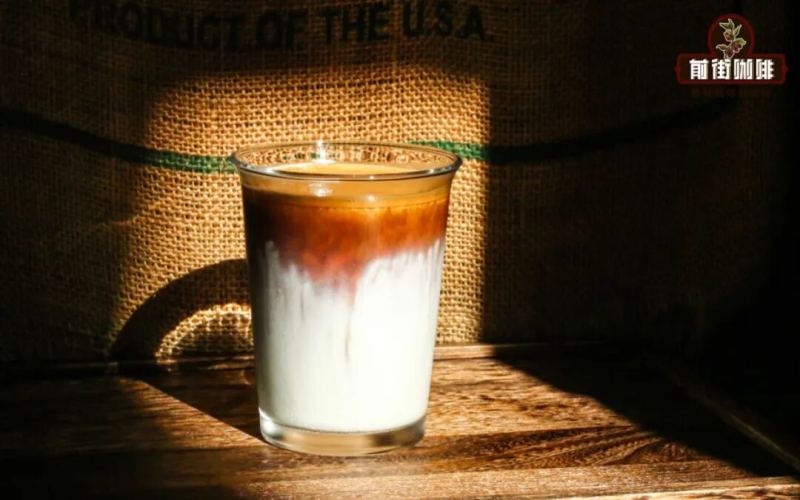
Coffee Preparation | Why don't coffee shops serve hot dirty coffee? How to make hot Dirty coffee at home? How does the taste of hot dirty differ from regular dirty?
Customer: "Boss, I'll have a Dirty!" Front Street: "Coming right up!" Customer: "Make it hot!" Front Street: "..., sorry, we don't have that. Dirty isn't made hot..." In the daily life of a coffee shop, this kind of exchange is a common occurrence. Because the ingredients for making a Dirty [more…]
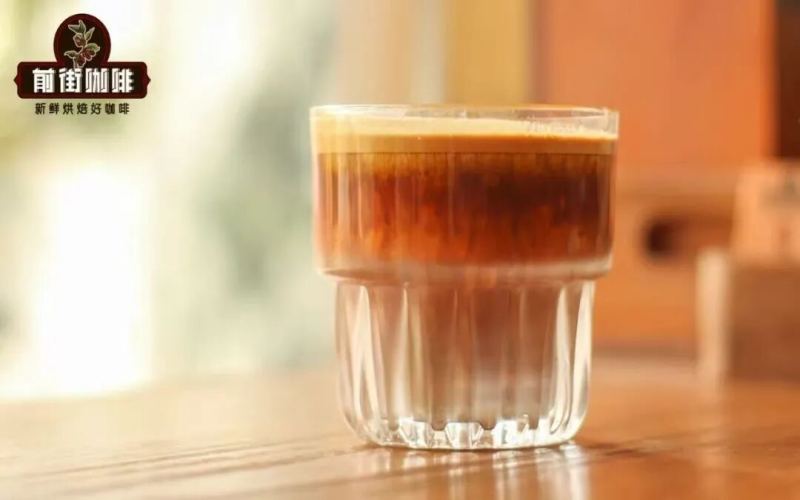
Milk Coffee | Why is Dirty Coffee so popular? How to make a Dirty Coffee with distinct layers at home?
As is well known, the unique appeal of a Dirty comes from the layering of milk and coffee. Whether it's the visual effect of the espresso gradually "dirtying" the milk, or the sensory experience of contrasting hot and cold, sweet and bitter—like ice and fire—it all stems from the fact that the two never fully blend. So if we want to make [more…]
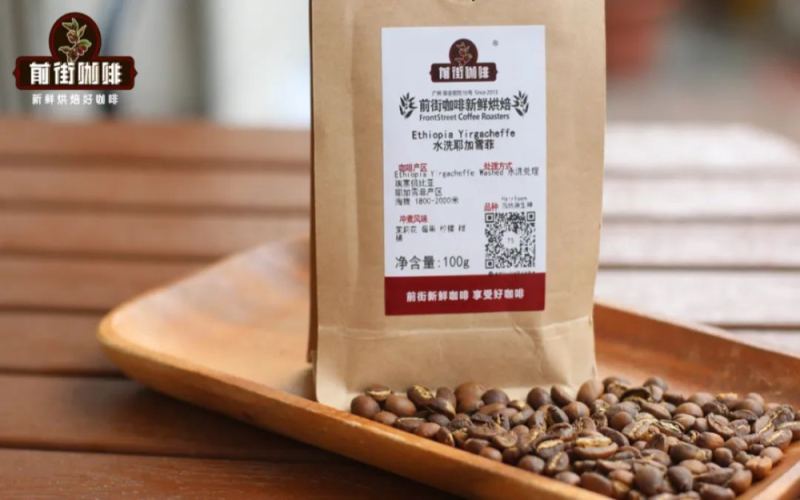
From Roast Curve to Cup Flavor: Why Light Roast Coffee Beans Are Popular, and Why Yirgacheffe Tends to Be Sour?
As Yirgacheffe brings bright acidity reminiscent of lemon and citrus into the specialty coffee shops of more and more small county towns, many people begin to wonder: why do coffee beans need a light roast? And why did light-roasted coffee come about in the first place? In fact, coffee beans are not light-roasted in order to express citrus notes; rather, under light-roast conditions they more easily reveal citrus-like qualities. The roast level determines the basic direction of the flavor, unfolding in turn from acidity and aroma to body and bitterness. This article starts from the roasting practice at Front Street Coffee, combining first crack and second crack, bean density and origin characteristics to explain the flavor logic between light roasting and Yirgacheffe, and how roasters weigh the trade-off between a uniform appearance and acidity expression. [more…]
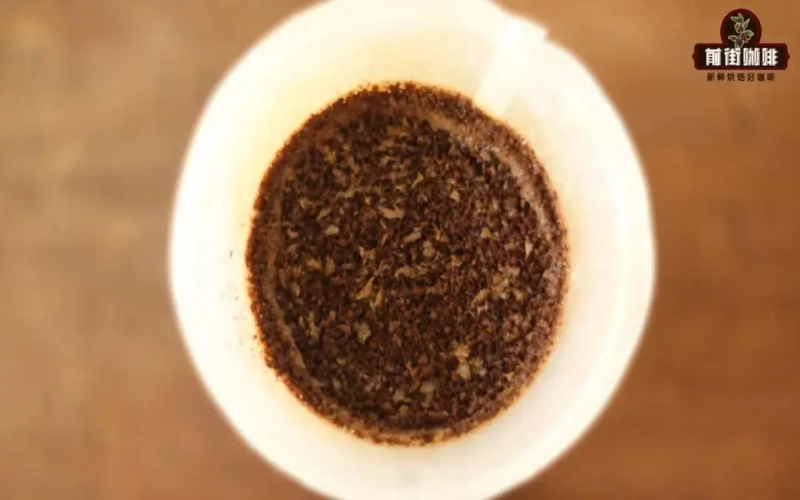
A flat coffee bed in pour-over brewing doesn't mean bad taste—revealing the causes of deep craters and three key points for brewing an even deep crater
Many friends who are just getting into pour-over coffee share a common misconception: they believe that the deeper and more even the coffee bed is, the better the coffee tastes. In reality, the shape of the coffee bed only reflects the pouring method and has no direct connection to coffee flavor. This article starts from a customer inquiry at Front Street's shop to explain why the coffee bed in specialty coffee is sometimes flat, and which factors truly determine coffee taste. It also shares three practical points: appropriately increasing the water flow, concentrating the hot water in the center, and choosing coffee beans that are not too high in density, helping you easily produce a symmetrical, deep coffee bed at home. The article also uses Front Street Yirgacheffe Gudingding, PWN Golden Mandheling, and others as examples to illustrate the differences in how various beans perform. [more…]
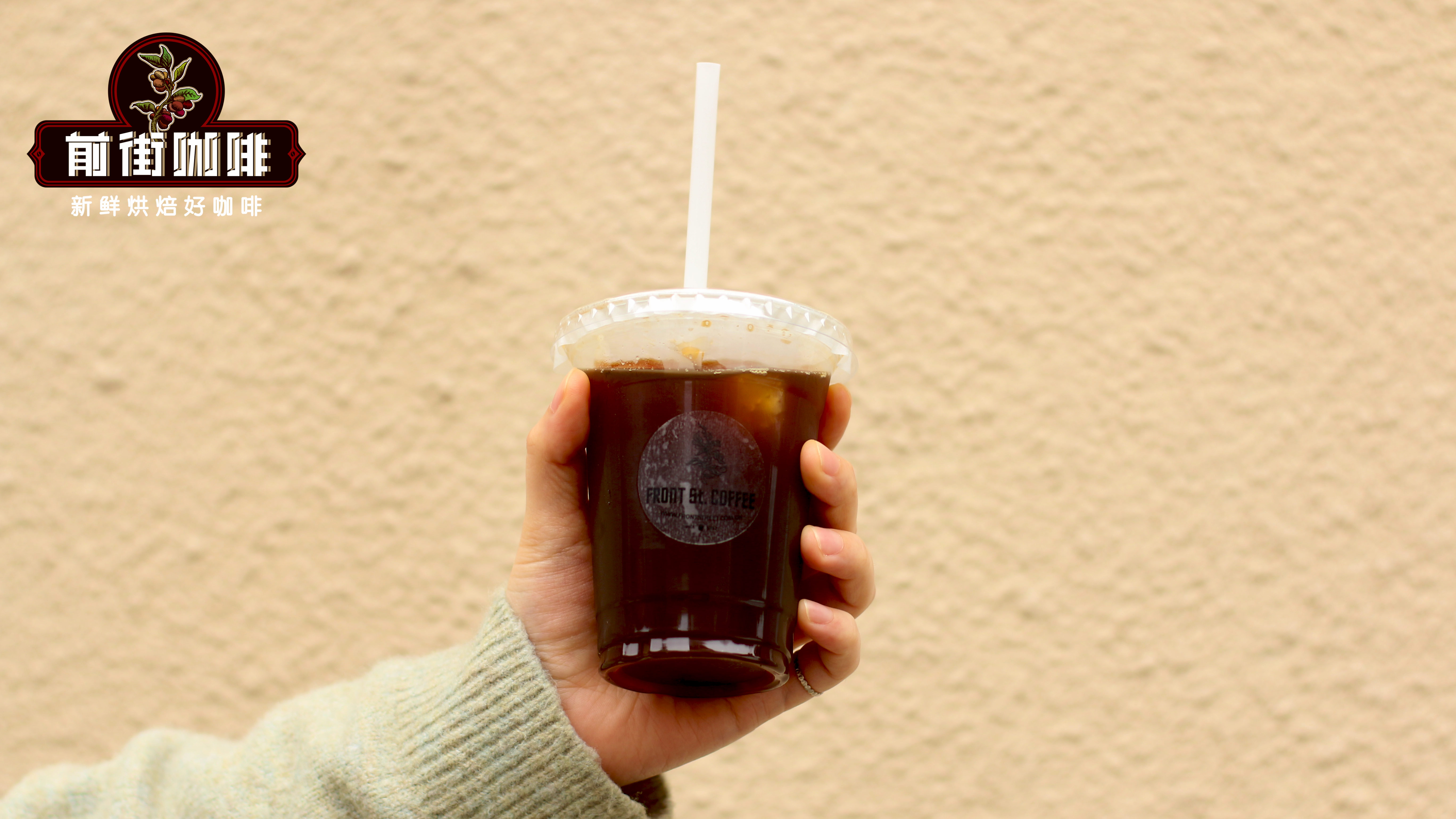
Americano Meaning Explained: Why Is Iced Americano So Addictive? A Guide to Drinking Espresso the Right Way
Americano is one of the most common drinks on coffee shop menus, yet many people may not be able to clearly explain where it actually came from or how it differs from espresso. This article, from the perspective of Front Street Coffee, sorts through the origin story of Americano, explains the extraction principles of espresso along with key parameters such as portafilter basket capacity and coffee-to-liquid ratio, and explores what conditions a qualified shot of espresso needs to meet. It also explains the differences in preparation methods between Americano and espresso, and why some people develop a sense of dependence on iced Americano. The hope is to help coffee lovers understand these two types of coffee more systematically, so they can choose coffee beans that suit their own taste preferences. [more…]
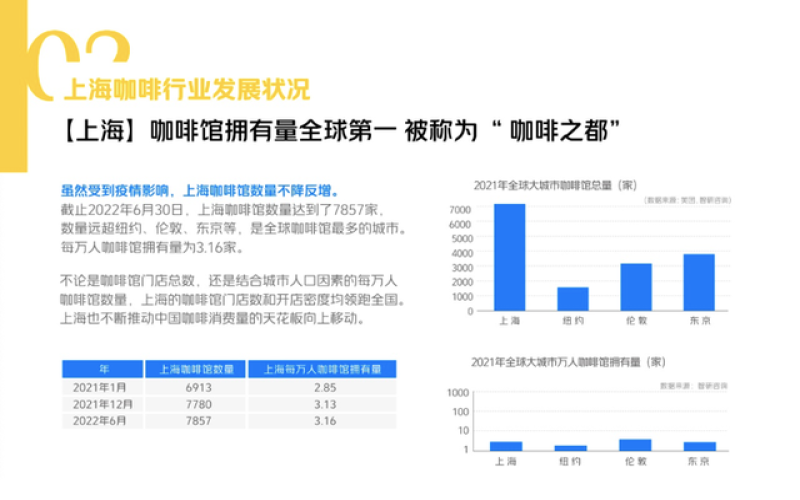
The Survival Landscape of Independent Coffee Shops in Shanghai: The Business Logic and Cultural Foundation Behind 7,857 Stores
As of June 2022, Shanghai ranked first among global cities with 7,857 coffee shops, of which independent outlets accounted for more than 60 percent. Behind this figure lies both a coffee-drinking tradition spanning more than a century and the meticulous efforts of contemporary owner-operators in refining style, products, and personalized experiences. This article analyzes, from the two dimensions of historical context and business strategy, how Shanghai's independent coffee shops continue to grow in the cracks between chain brands, and explores how owner-operators, spatial style, and product distinctiveness constitute the core competitiveness of independent coffee shops. [more…]
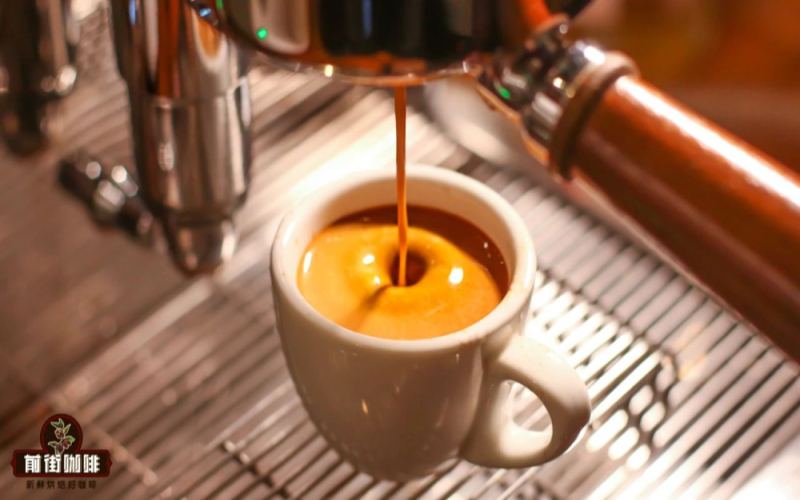
Why Does Home Espresso Easily Go Wrong? A Comprehensive Guide to Avoiding Pitfalls from Coffee Grounds and Tamping to Extraction Timing
More and more high-performance small coffee machines are making their way into homes, but if you want to consistently pull a good espresso at home, a great machine alone is far from enough. Front Street Coffee has put together the most common pitfalls in home scenarios: some people, for convenience, directly buy ready-made coffee grounds, overlooking the three major hidden risks of flavor dissipation, loss of oils, and inconsistent grind size; some people repeatedly level the grounds when tamping, which instead causes uneven density in the puck and channeling during extraction; and still others, after locking in the portafilter, delay pressing the extraction button, letting the puck bake on the hot brew head and develop a burnt, bitter taste. The article breaks down the causes of these problems one by one and offers actionable suggestions for improvement, helping beginners avoid unnecessary detours. [more…]
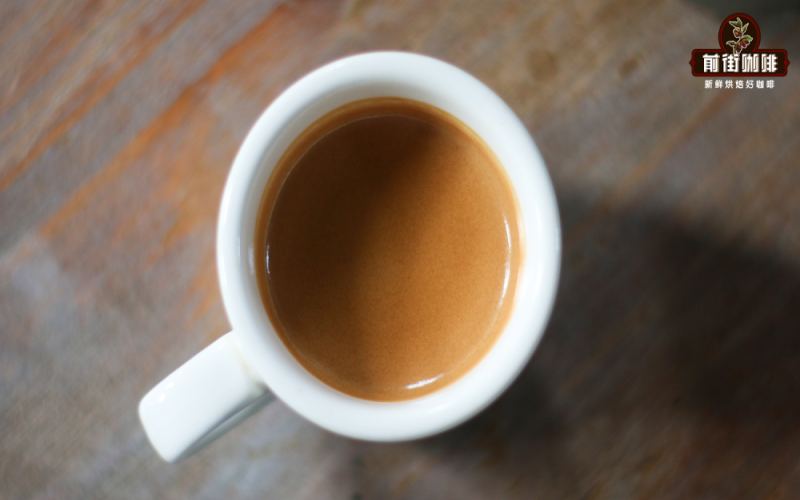
12 Key Parameters That Determine Espresso Flavor and Bean Selection Strategies
To craft an outstanding espresso, the choice of coffee beans and extraction parameters are both indispensable. Front Street Coffee starts with the differences between roast levels, blends, and SOE, sorts out four espresso blend options with different positioning, and analyzes one by one how the six major parameters—dose, brew ratio, extraction time, flow rate, pressure, and water temperature—affect the Espresso's mouthfeel. Whether you are practicing at home or selecting beans for a coffee shop's menu, these experiences can help you avoid common pitfalls and find a stable, on-point solution. [more…]
A Complete Guide to Common Single-Origin Coffee Beans in Coffee Shops: A Flavor Guide from Brazil Santos to Hawaii Kona
Walking into a coffee shop, do the dazzling array of single-origin bean names on the menu leave you not knowing where to start? This article systematically sorts through more than twenty common coffee beans and classic coffee drinks, covering the flavors of well-known origins such as Brazil Santos, Colombia Mandheling, Blue Mountain, and Hawaiian Kona, and also introduces fancy preparations such as Viennese iced coffee and iced latte. From the balance of acidity, bitterness, and sweetness to the choice of roast level, from single origin to blends, it helps you quickly build a framework for understanding coffee flavor. Whether you are a beginner enthusiast or a seasoned player looking to refine your tasting ability, this guide can provide you with practical reference. Front Street Coffee will also accompany you in exploring the rich layers of the coffee world. [more…]
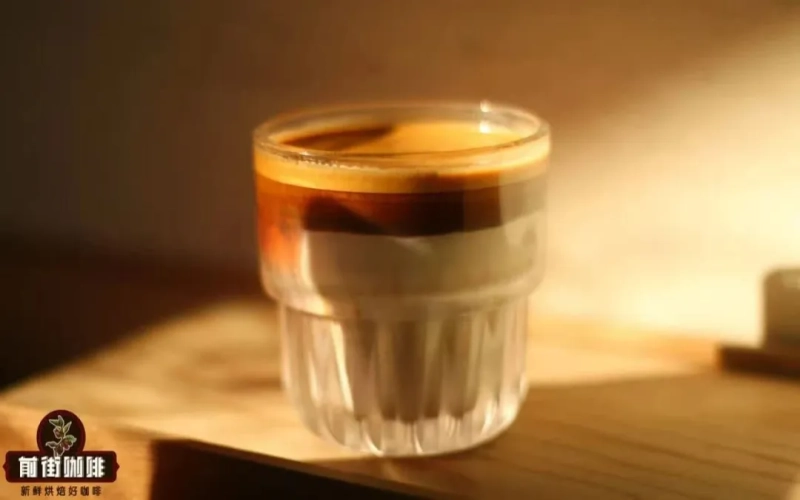
Is it better to chill or freeze a Dirty coffee glass? The mystery of the -86°C Dirty and a real-world comparison test
Dirty has always been a popular product in coffee shops thanks to its high aesthetic appeal and the unique experience of hot and cold colliding. When making a Dirty, using a chilled glass can extend the layering effect between the espresso and the milk, but should you use a refrigerated glass or a frozen glass? Through comparative experiments, Front Street Coffee found that although a frozen glass can widen the initial temperature difference, it also accelerates the dissipation of the layers, and the milk's mouthfeel and aroma are slightly compromised. The rise in popularity of -86°C Dirty has brought frozen glasses into the spotlight once again. This article explains in detail the differences between refrigerated and frozen chilled glasses, the points to note when making a Dirty with a frozen glass, and why purified milk is the best partner for a frozen glass, helping you fully understand the intricacies behind this dirty coffee. [more…]
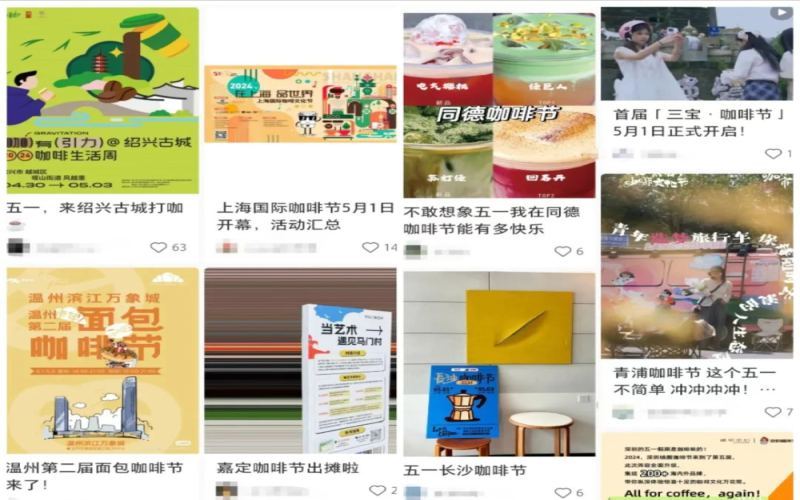
Six Coffee Festivals Crowd Shanghai During May Day Holiday, Sparking Heated Debate Over Proliferation of Specialty Drinks and Uneven Quality
The five-day May Day holiday has always been a peak time for travel. Rather than queueing for ages outside popular coffee shops, many efficiency-minded coffee lovers choose to go to coffee festivals instead, tasting all the signature drinks from various vendors in one go. According to social media, Shanghai—a city jokingly dubbed "Coffee City"—held six coffee festivals across different districts during the May Day holiday, an astonishingly high density. Yet behind the explosion in the number of coffee festivals, problems such as uneven event quality, an overload of creative coffee, inflated prices, and scarce free tastings have also drawn frequent complaints. This article walks you through the buzz and controversy of Shanghai's May Day coffee festivals, and explores the shift of coffee festivals from "industry networking conventions" to "specialty beverage tech conventions." [more…]

Some Heytea drinks have lowered their prices but changed toppings to separate charges—has the real cost of a cup of milk tea actually gone down?
Milk tea brands are shouting about price cuts while charging separately for toppings, delivery fees, and insulated bags—is that cup in consumers' hands really cheaper? This article starts with the ordering experience on Heytea's GO mini-program, breaking down the actual unit price of a 9-yuan Pure Green Tea after adding toppings, delivery fees, and other extra charges, and, in light of tea shop density, delivery efficiency, and the industry's cost structure, analyzes how this round of price cuts looks more like a marketing move than a genuine giveback. It also cites estimates from a researcher at the Guangdong Tea Beverage Industry Committee on the costs and gross margins of high-end milk tea, helping coffee and tea enthusiasts see the ledger behind the price. [more…]
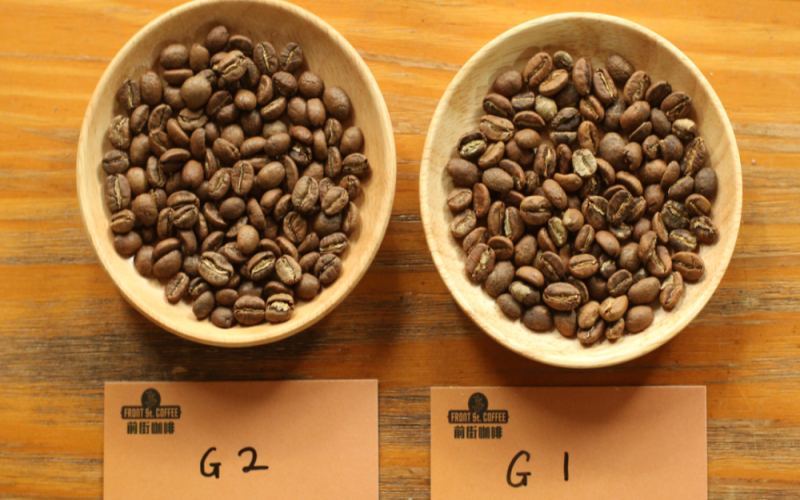
A Detailed Explanation of Green Coffee Bean Grading Standards: What's Behind Ethiopia G1, Kenya AA, Blue Mountain No.1, and SHB Grades?
Coffee enthusiasts often ask in the shop exactly what the difference is between Ethiopia's G1 and G2, what Kenya AA actually means, and what Costa Rica's SHB grade signifies. These combinations of letters and numbers actually reflect how each producing country evaluates the quality of green coffee beans. Due to differences in history, trade, climate, and terrain, different origins have developed their own grading systems, with evaluation criteria covering multiple dimensions such as defect percentage, bean size, growing altitude, green bean density, and processing method. This article will systematically sort out the origins of coffee grading and introduce, one by one, the green bean grade standards of representative producing countries such as Ethiopia, Kenya, Colombia, Jamaica, Costa Rica, Panama, Guatemala, El Salvador, Honduras, and Brazil. [more…]